













Amazing Green Pet Shop

A clean and green world is not just a dream—it is a responsibility. As climate change, pollution, and deforestation continue to threaten our planet, plant restoration has emerged as one of the most effective and natural solutions to heal the Earth. Restoring plants, trees, and green ecosystems helps rebuild biodiversity, improve air quality, and create a healthier environment for future generations.

This article explores what plant restoration is, why it matters, and how individuals and communities can contribute to building a cleaner, greener world.


What Is Plant Restoration?

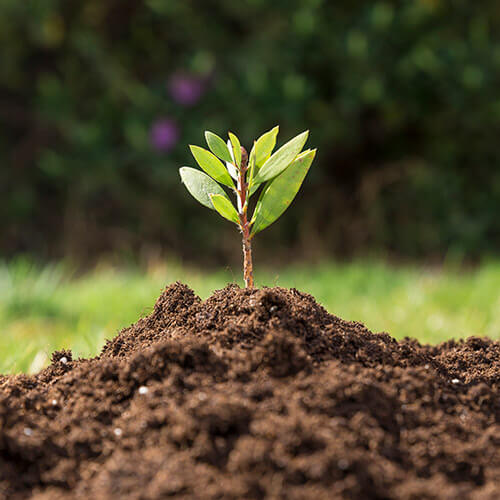
Plant restoration refers to the process of replanting and regenerating native vegetation in areas that have been damaged by human activity, natural disasters, pollution, or climate change. Unlike simple tree planting, restoration focuses on rebuilding entire ecosystems, including plants, soil, insects, birds, and wildlife.

Examples of plant restoration include:

  • Reforesting deforested land
  • Restoring wetlands and mangroves
  • Replanting native grasses in degraded areas
  • Reviving urban green spaces

The goal is not only to add greenery but to restore ecological balance.


Why Plant Restoration Is Important

🌍 Fights Climate Change

Plants absorb carbon dioxide and release oxygen. Forests, grasslands, and wetlands act as natural carbon sinks, reducing greenhouse gases and slowing global warming.

🌱 Improves Air and Water Quality

Plants filter pollutants from the air and help purify water by preventing soil erosion and runoff. Urban greenery can significantly reduce air pollution in cities.

🐝 Protects Biodiversity

Restoring native plants provides food and shelter for insects, birds, and animals. Healthy ecosystems support pollinators like bees and butterflies, which are essential for agriculture.

🌾 Prevents Soil Degradation

Roots hold soil together, reducing erosion and improving soil fertility. This is critical for sustainable agriculture and food security.


Plant Restoration and a Clean Environment

A clean environment depends heavily on healthy plant life. When vegetation is lost:

  • Dust and pollution increase
  • Flooding becomes more frequent
  • Wildlife habitats disappear

Plant restoration helps reverse these effects by:

  • Reducing urban heat through shade
  • Absorbing harmful pollutants
  • Supporting clean water cycles

Green spaces also improve mental health and overall quality of life for people.


Types of Plant Restoration Projects

🌲 Forest Restoration

Replanting native trees in deforested regions helps rebuild forests and restore wildlife corridors. Native species are preferred because they adapt better and support local ecosystems.

🌊 Wetland and Mangrove Restoration

Wetlands and mangroves protect coastlines from erosion and storms while supporting marine life. Restoring these areas is vital for climate resilience.

🌾 Grassland and Soil Restoration

Grasslands store large amounts of carbon underground. Restoring them improves soil health and supports grazing ecosystems.

🏙️ Urban Plant Restoration

Urban gardens, green roofs, roadside trees, and parks reduce pollution and make cities healthier and more livable.


How Individuals Can Support Plant Restoration

You don’t need to be part of a large organization to make a difference. Simple actions matter:

  • Plant native trees and plants in your community
  • Support environmental organizations working on restoration
  • Reduce waste and recycle to protect natural habitats
  • Participate in local tree-planting or clean-up drives
  • Educate others about environmental protection

Even small efforts, when multiplied, create a large impact.


Role of Communities and Governments

Large-scale plant restoration requires collaboration:

  • Governments can protect land, enforce environmental laws, and fund restoration projects.
  • Communities can manage local green spaces and promote sustainable practices.
  • Businesses can invest in reforestation and reduce their environmental footprint.

Public awareness and long-term planning are key to success.


Plant Restoration and Future Generations

Restoring plants today ensures:

  • Cleaner air and water tomorrow
  • Stable climates for future generations
  • Preservation of wildlife and natural beauty

Children growing up in greener environments develop stronger connections to nature, encouraging long-term environmental stewardship.


Conclusion: Growing a Greener Tomorrow

Plant restoration is one of the most powerful tools we have to create a clean and green world. It is natural, cost-effective, and beneficial for both people and the planet. By restoring plants and ecosystems, we are not just repairing environmental damage—we are investing in a healthier, more sustainable future.

Every tree planted, every habitat restored, and every green space protected brings us one step closer to a cleaner Earth. The journey to a green world begins with action—and it begins today.

Select the fields to be shown. Others will be hidden. Drag and drop to rearrange the order.
  • Image
  • SKU
  • Rating
  • Price
  • Stock
  • Availability
  • Add to cart
  • Description
  • Content
  • Weight
  • Dimensions
  • Additional information
Click outside to hide the comparison bar
Compare